
AfterShift© Programs
Reset. Recover. Restore.
Trauma-informed support for the people who carry the weight of the work.
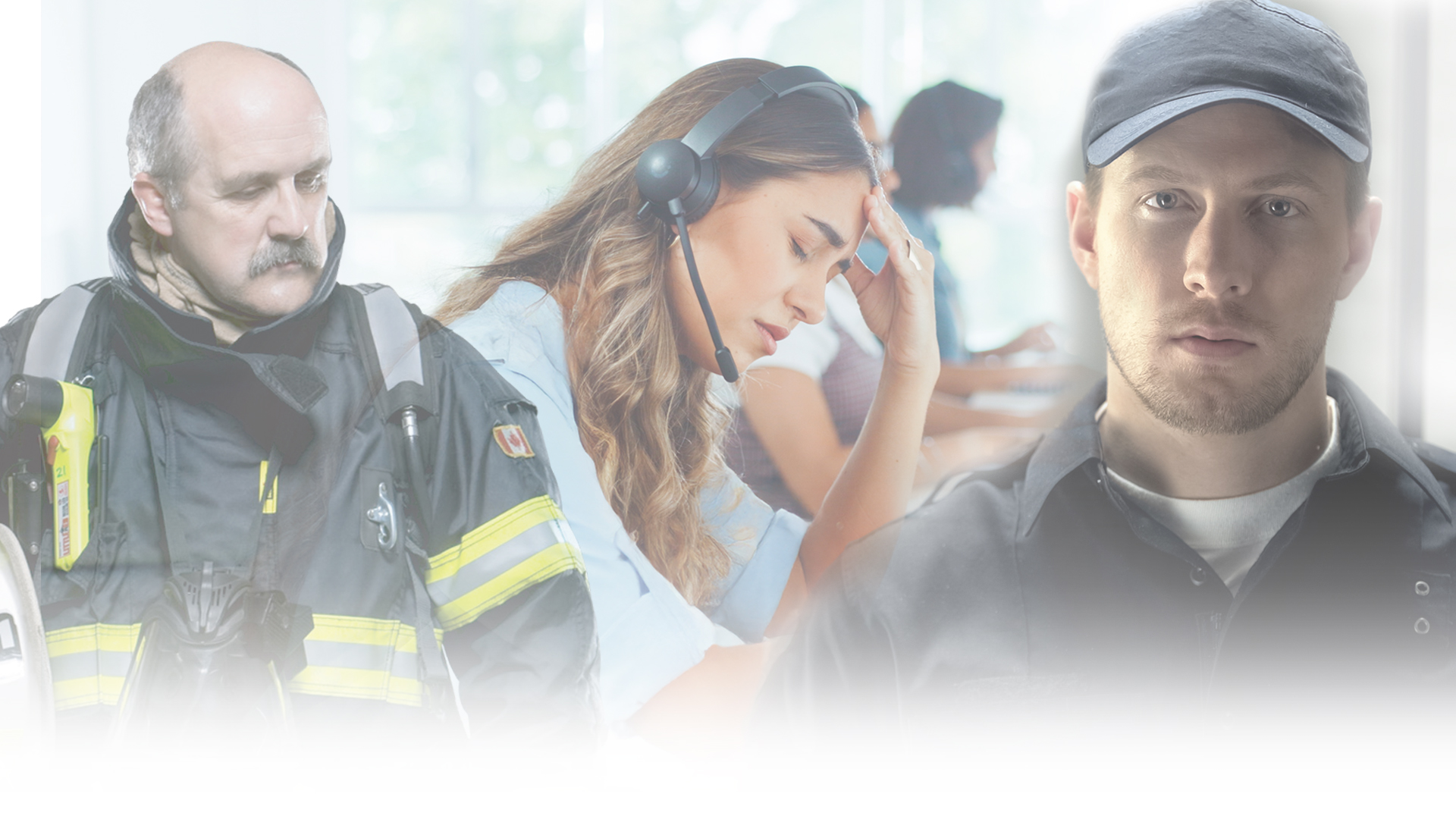
AfterShift© programs are designed for professionals whose work exposes them to high stress, crisis, conflict, trauma, and cumulative emotional strain. Whether you work in communications, corrections, or firefighting, the impact of the job does not always end when the shift is over.
At Hummingbird Therapy Clinic, we understand first responder and frontline workplace culture. Our programs combine trauma-informed psychotherapy, psychoeducation, practical coping strategies, and evidence-based support to help participants strengthen resilience, reduce occupational stress symptoms, and reconnect with life beyond the role.
Specialized AfterShift© programs

AfterShift© for Emergency Communications Members.
For 911 communicators, dispatchers, call takers, and communications personnel who manage crisis from behind the headset.
This program supports those who absorb trauma through calls, urgency, responsibility, and repeated exposure to distressing events. Participants learn tools for nervous-system regulation, stress recovery, emotional processing, communication, and long-term wellness.

AfterShift© for Correctional Officers and Probation & Parole Officers.
For Correctional officers, Probation and Parole officers working in high-pressure, high-risk environments.
This program addresses the unique emotional demands of corrections work, including hypervigilance, exposure to violence, institutional stress, burnout, isolation, and the difficulty of transitioning from work mode to home life.
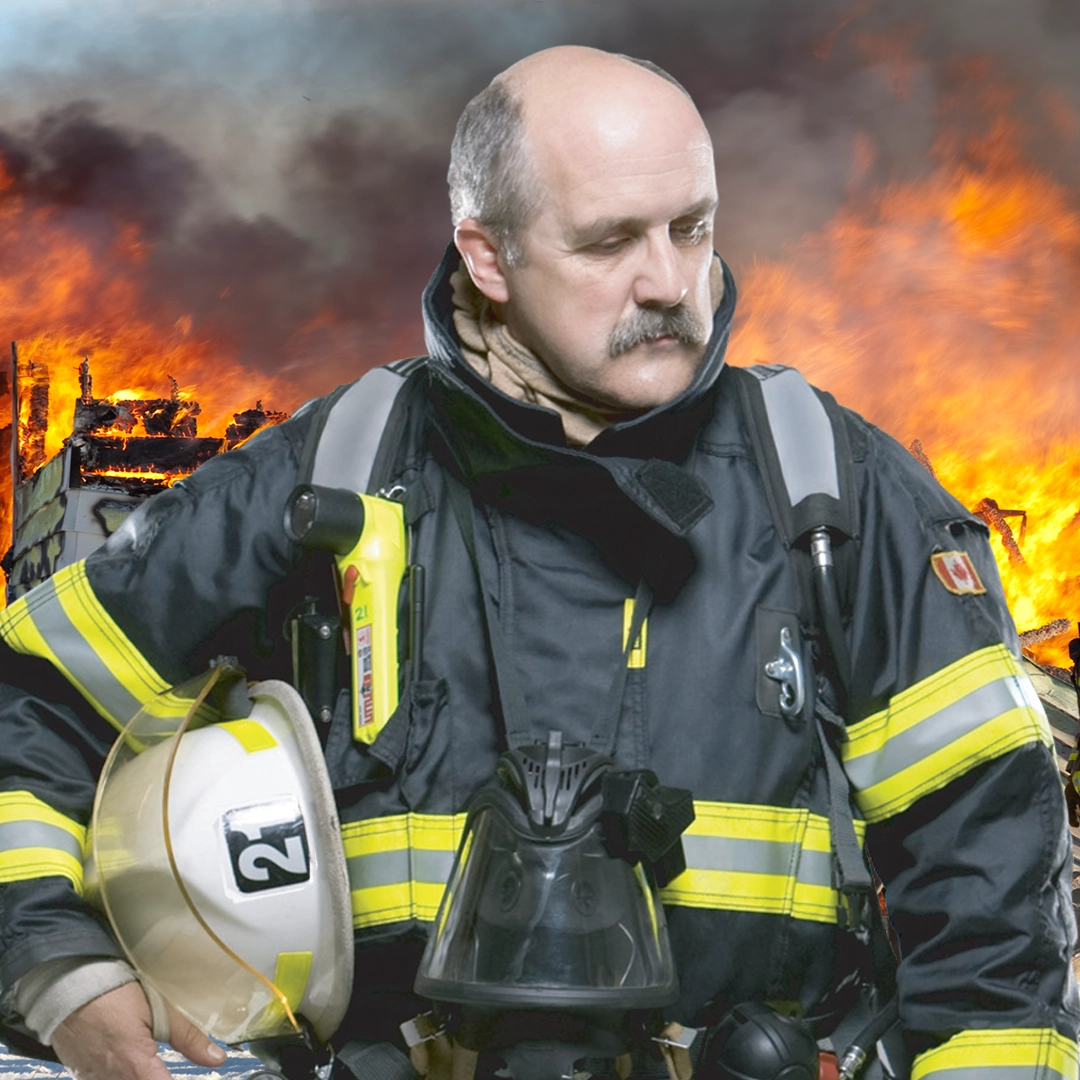
AfterShift© for Fire Fighters and First Responders.
For firefighters experiencing the cumulative impact of emergency response, loss, critical incidents, and operational stress.
This program supports firefighters in managing trauma exposure, burnout, sleep disruption, emotional shutdown, family strain, and the hidden pressure to “just keep going.”
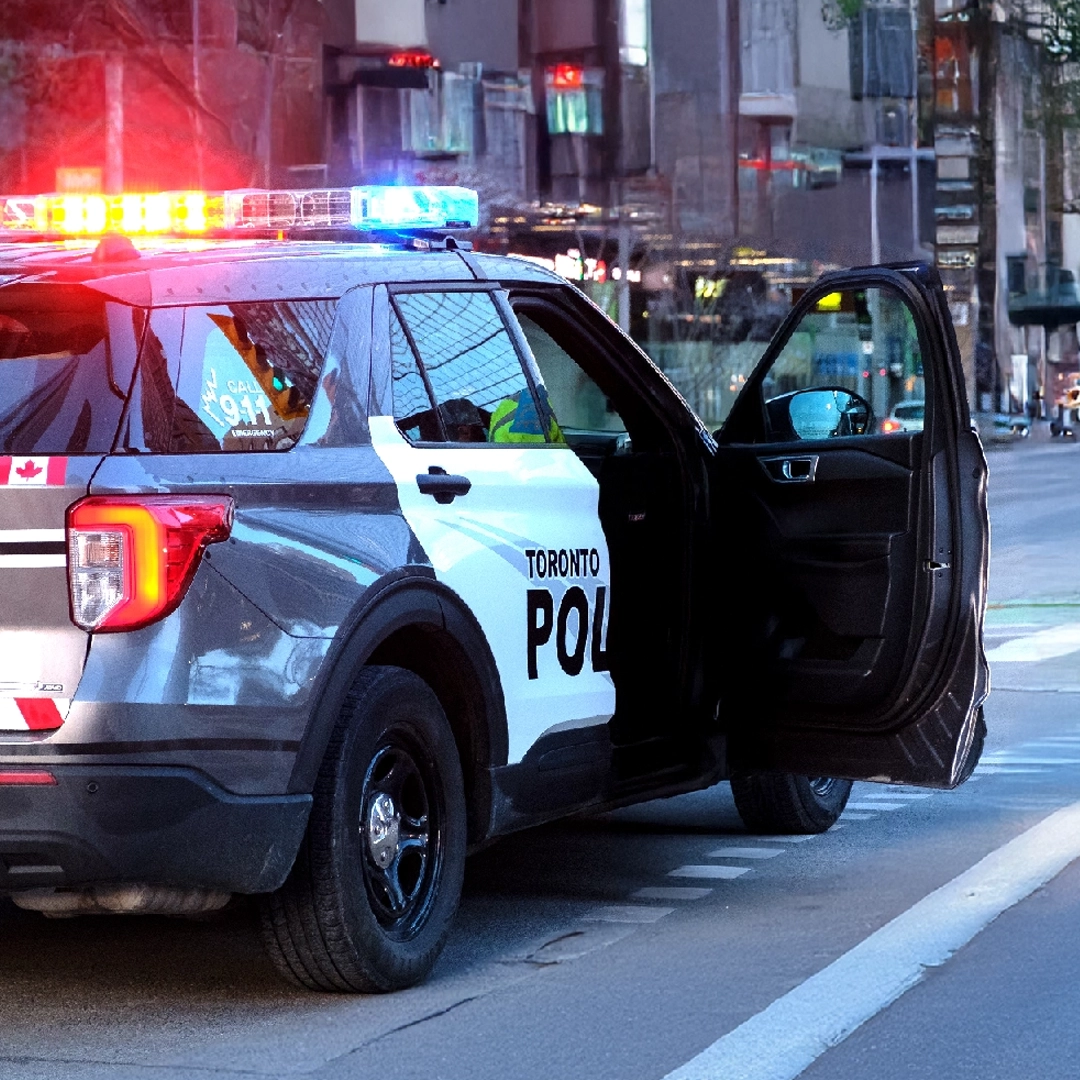
AfterShift© for Police Officers.
For police officers experiencing the cumulative impact of emergency response, loss, critical incidents, and operational stress.
This program supports police in managing trauma exposure, burnout, sleep disruption, emotional shutdown, family strain, and the hidden pressure to “just keep going.”
What the programs focus on
Each AfterShift© stream is tailored to the realities of the profession, while focusing on core areas of support:
- Understanding occupational stress injuries and trauma responses
- Reducing symptoms of anxiety, burnout, compassion fatigue, and emotional exhaustion
- Building practical coping and regulation skills
- Supporting healthier communication at work and at home
- Strengthening resilience before stress becomes crisis
- Creating sustainable self-care and recovery practices
Support that understands the culture
These programs are facilitated by clinicians with knowledge of first responder and frontline workplace culture. The goal is not to pathologize the work, but to support the person doing it.
You do not have to wait until things fall apart to get help. After Shift™ is designed for prevention, early intervention, and recovery.
Who should consider AfterShift©?
AfterShift© may be helpful if you are experiencing:
- Difficulty shutting work off after your shift
- Irritability, numbness, or emotional withdrawal
- Sleep issues or constant fatigue
- Increased stress at home or in relationships
- Repeated exposure to traumatic or distressing events
- Burnout, compassion fatigue, or loss of motivation
- Feeling like no one outside the job truly understands